

Workplace discrimination and harassment are serious issues that can affect employee morale, productivity, and overall well-being. Many individuals face unfair treatment based on factors like race, gender, age, and sexual orientation. As these problems persist, the role of labor laws becomes crucial in safeguarding worker rights and ensuring a fair working environment.
Labor laws are designed to protect employees from discrimination and harassment, but the effectiveness of these laws can vary. Understanding how labor laws function and their potential to prevent workplace issues is vital for both employees and employers. This blog post will explore the relationship between labor laws and workplace discrimination, highlighting the protections they offer, the challenges that still exist, and the steps that can be taken to enhance their effectiveness.
Understanding Labor Laws
What Are Labor Laws?
Labor laws are regulations that govern the relationship between employers and employees. They cover a wide range of topics, including wages, working hours, health and safety, and workplace rights. These laws aim to ensure fair treatment in the workplace and protect employees from exploitation and discrimination.
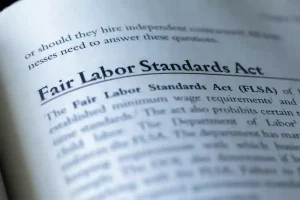
In the United States, labor laws can be federal, state, or local. Federal laws set minimum standards that apply across the country, while state and local laws may provide additional protections. The Fair Labor Standards Act, Title VII of the Civil Rights Act, and the Americans with Disabilities Act are examples of important labor laws that address workplace discrimination and harassment.
The Purpose of Labor Laws
The primary purpose of labor laws is to create a safe and equitable work environment. They aim to prevent discrimination based on race, gender, religion, age, and other protected characteristics. By establishing clear guidelines for acceptable behavior and practices, labor laws help promote fairness and equality in the workplace.
Labor laws also help create a framework for addressing grievances. They provide employees with avenues for reporting discrimination and harassment, ensuring that their voices are heard. This fosters a culture of accountability, encouraging employers to take discrimination and harassment seriously.
The Impact of Labor Laws on Workplace Discrimination
Protections Against Discrimination
Labor laws provide essential protections against discrimination in the workplace. Title VII of the Civil Rights Act prohibits employment discrimination based on race, color, religion, sex, or national origin. This law applies to employers with 15 or more employees, making it a crucial tool for combating discrimination in various industries.
Additionally, the Equal Employment Opportunity Commission (EEOC) enforces federal laws against workplace discrimination. Employees who believe they have been discriminated against can file a complaint with the EEOC, which investigates claims and takes action when necessary. This process is vital for holding employers accountable and ensuring that employees receive justice.
Addressing Harassment in the Workplace
Labor laws also play a significant role in addressing workplace harassment. The law recognizes that harassment can create a hostile work environment, impacting employees’ ability to perform their jobs effectively. Under Title VII, harassment based on protected characteristics is illegal, and employers are required to take appropriate steps to prevent and address such behavior.
Employers are obligated to create a safe work environment free from harassment. This includes implementing policies that define unacceptable behavior, providing training for employees, and establishing clear reporting procedures. When employees feel comfortable reporting harassment, they are more likely to come forward, allowing employers to address issues before they escalate.
Challenges in Enforcing Labor Laws
Lack of Awareness
One of the significant challenges in enforcing labor laws is a lack of awareness among employees. Many workers may not fully understand their rights or the protections available to them. This lack of knowledge can prevent individuals from reporting discrimination or harassment, leaving them feeling powerless and unsupported.
Employers also may not always be aware of their responsibilities under labor laws. This can lead to inadequate training or ineffective policies, creating an environment where discrimination and harassment can thrive. Raising awareness about labor laws is essential for both employees and employers to ensure that everyone understands their rights and responsibilities.
Fear of Retaliation
Fear of retaliation is another barrier that can prevent employees from reporting discrimination or harassment. Many individuals worry that speaking out will lead to negative consequences, such as job loss or workplace ostracism. This fear can silence victims and allow discriminatory behavior to continue unchecked.
Employers must work to create a culture of support and safety. By reassuring employees that they can report concerns without fear of retaliation, companies can encourage open communication and promote a more inclusive environment. Establishing clear anti-retaliation policies and ensuring that employees are aware of them is crucial in addressing this challenge.
Inconsistent Enforcement
The effectiveness of labor laws can also be hindered by inconsistent enforcement. While federal laws set minimum standards, state and local laws may vary significantly. This inconsistency can create confusion for both employees and employers, making it difficult to navigate the legal landscape.
Some employers may not fully comply with labor laws, either due to ignorance or willful neglect. When enforcement is inconsistent, employees may feel discouraged from pursuing claims, fearing that their efforts will be in vain. Strengthening enforcement mechanisms and ensuring that all employers adhere to labor laws is essential for creating a fair workplace.
Enhancing Labor Laws to Combat Discrimination and Harassment
Training and Education
One effective way to enhance labor laws is to implement comprehensive training and education programs. Employers should provide regular training on discrimination and harassment, ensuring that employees understand their rights and responsibilities. This training should cover topics like recognizing discrimination, understanding reporting procedures, and promoting a respectful workplace culture.
Education should not stop at employee training. Employers themselves should also receive education on labor laws and their obligations. By fostering a culture of learning and awareness, workplaces can better prevent discrimination and harassment.
Clear Reporting Procedures
Establishing clear and accessible reporting procedures is vital for encouraging employees to come forward with their concerns. Companies should create multiple channels for reporting discrimination and harassment, ensuring that employees can choose the method they feel most comfortable with.
In addition to traditional reporting channels, organizations could consider implementing anonymous reporting systems. This allows employees to report concerns without revealing their identities, making it easier for them to speak up about issues they may otherwise avoid.
Regular Policy Reviews
Labor laws and workplace policies should be regularly reviewed and updated to reflect changing social norms and legal requirements. Employers need to stay informed about labor laws and ensure that their policies align with current standards. Regular reviews help identify gaps in policies and practices, allowing organizations to make necessary adjustments.
Engaging employees in the review process can also provide valuable insights. Employees can offer feedback on existing policies and suggest improvements, creating a more inclusive and equitable workplace.
Encouraging Open Dialogue
Creating an environment that encourages open dialogue is essential for preventing discrimination and harassment. Employers should foster a culture where employees feel safe discussing their concerns and sharing their experiences. This can be achieved through regular check-ins, town hall meetings, or anonymous feedback mechanisms.
Encouraging open dialogue helps build trust between employees and management. When employees feel heard and valued, they are more likely to report issues and contribute to a positive workplace culture.
The Future of Labor Laws and Workplace Rights
The Role of Technology
Technology is transforming the workplace, and labor laws must adapt to keep pace. As remote work becomes more common, labor laws should consider how to protect employees in virtual environments. This includes addressing issues like online harassment and ensuring that remote workers have the same protections as those in traditional workplaces.
Employers can also leverage technology to enhance training and reporting processes. Online training modules and anonymous reporting apps can make it easier for employees to engage with labor laws and understand their rights.
Evolving Social Norms
Social norms are changing, and labor laws must evolve accordingly. Increasing awareness of diversity, equity, and inclusion is driving conversations about workplace rights. Employers must recognize the importance of creating an inclusive culture that values all employees, regardless of their background.
As society continues to push for social justice and equality, labor laws will likely undergo further changes. Advocating for stronger protections against discrimination and harassment is essential for ensuring that workplaces are safe and equitable for everyone.
Building Collaborative Partnerships
Collaboration between employers, employees, and advocacy groups can strengthen the effectiveness of labor laws. By working together, these stakeholders can identify common challenges and develop solutions that benefit everyone.
Partnerships can also promote awareness of labor laws and encourage compliance. Organizations can share best practices and resources, creating a network of support for both employees and employers.
Conclusion
Labor laws play a vital role in preventing workplace discrimination and harassment. They provide essential protections for employees, create accountability for employers, and foster a fair and equitable work environment. However, challenges remain in enforcing these laws and ensuring that all employees feel safe and supported.
By enhancing labor laws through education, clear reporting procedures, regular policy reviews, and open dialogue, we can create workplaces that truly prioritize worker rights. The future of labor laws will depend on our ability to adapt to changing social norms, leverage technology, and build collaborative partnerships.
As we continue to advocate for stronger protections against discrimination and harassment, it is crucial to remember that everyone deserves to work in an environment free from fear and unfair treatment. Together, we can work towards a future where labor laws effectively protect the rights of all workers, creating inclusive and supportive workplaces for everyone.